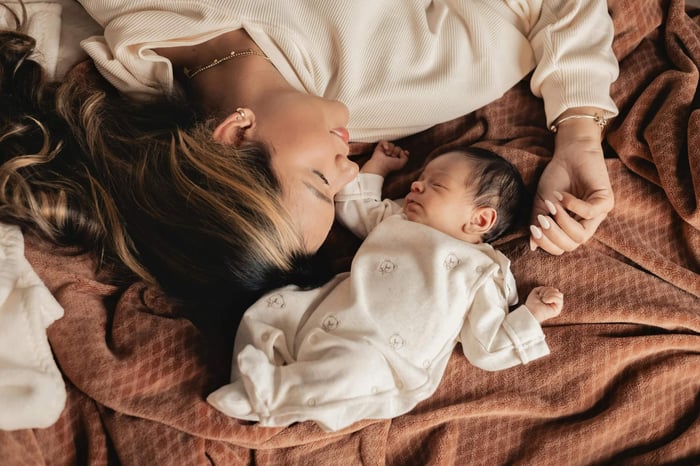

Many women expect postpartum to be exhausting. What they don’t expect is how emotionally disorienting it can feel.
You can love your baby deeply and still feel:
disconnected from yourself,
emotionally overwhelmed,
anxious,
resentful,
lonely,
or quietly grief-stricken for the life you used to recognize.
At Bloom Psychotherapy, many mothers describe postpartum as feeling psychologically unrecognizable- like their entire internal world shifted overnight while everyone around them expected them to simply adjust.
Postpartum Changes More Than Your Daily Routine
After birth, most conversations focus on sleep, feeding, recovery, schedules, and infant care.
But postpartum also changes:
identity,
relationships,
nervous system regulation,
emotional capacity,
and the way many women experience themselves entirely.
The transition into motherhood can feel like losing familiar parts of yourself while simultaneously trying to care for someone who completely depends on you.
That emotional contradiction can feel incredibly isolating.
The Emotional Isolation Many Mothers Experience
Many new mothers spend their days physically surrounded by people while emotionally feeling alone.
They may feel:
unseen,
unsupported,
emotionally touched out,
disconnected from their partner,
or ashamed for struggling.
Because postpartum is often idealized socially, many women fear saying out loud:
“This is harder than I thought it would be.”
At Bloom Psychotherapy, we work with many mothers who feel guilty for not feeling more grateful, more present, or more emotionally connected during postpartum.
But struggling emotionally during a massive life transition does not make someone a bad mother. Therapy can help change how you’re feeling. Learn more here.